
What lot size or volume should I trade with?
Don’t Gamble with Your Money! Find the Right Lot Size for Your Balance

What is Money Management?
Money management is the practice of using the correct volume lot size based on your trading account balance to make consistent profits.
How Much Volume Lot Size Should I Trade With?
According to our money management rule, use the correct volume lot size based on your account balance:
For a $200 balance, use a maximum of 0.01 lot (one open trade)
$500 balance, use up to 0.03 lots (three trades of 0.01 lot each – 0.01 x 3 trades = 0.03 lots)
$1,000 balance: 0.05 lots (5 trades of 0.01)
$5,000 balance: 0.30 lots (3 trades of 0.10)
$10,000 balance: 0.50 lots (5 trades of 0.10 or 2 trades of 0.25)
If you feel emotional (e.g., fear, sad, greedy, tired) while trading, you can decrease your leverage to below 1:50 to help control your emotions and safeguard your money.

Why Follow This Rule?
Using high lots for a small balance is risky and a bad habit. Most beginners make this mistake and don’t grow in their trading careers. If you follow good money management habits, you will see positive results and growth in your trading account.
Warning:
If you break money management rules and use high lots, you become a gambler, not a trader. You might get addicted to the market and could go bankrupt. Most people lose their money in the market by placing high lots on small accounts.
Follow these simple money management rules to become a successful trader.
Handling Emotions while holding the Open trades
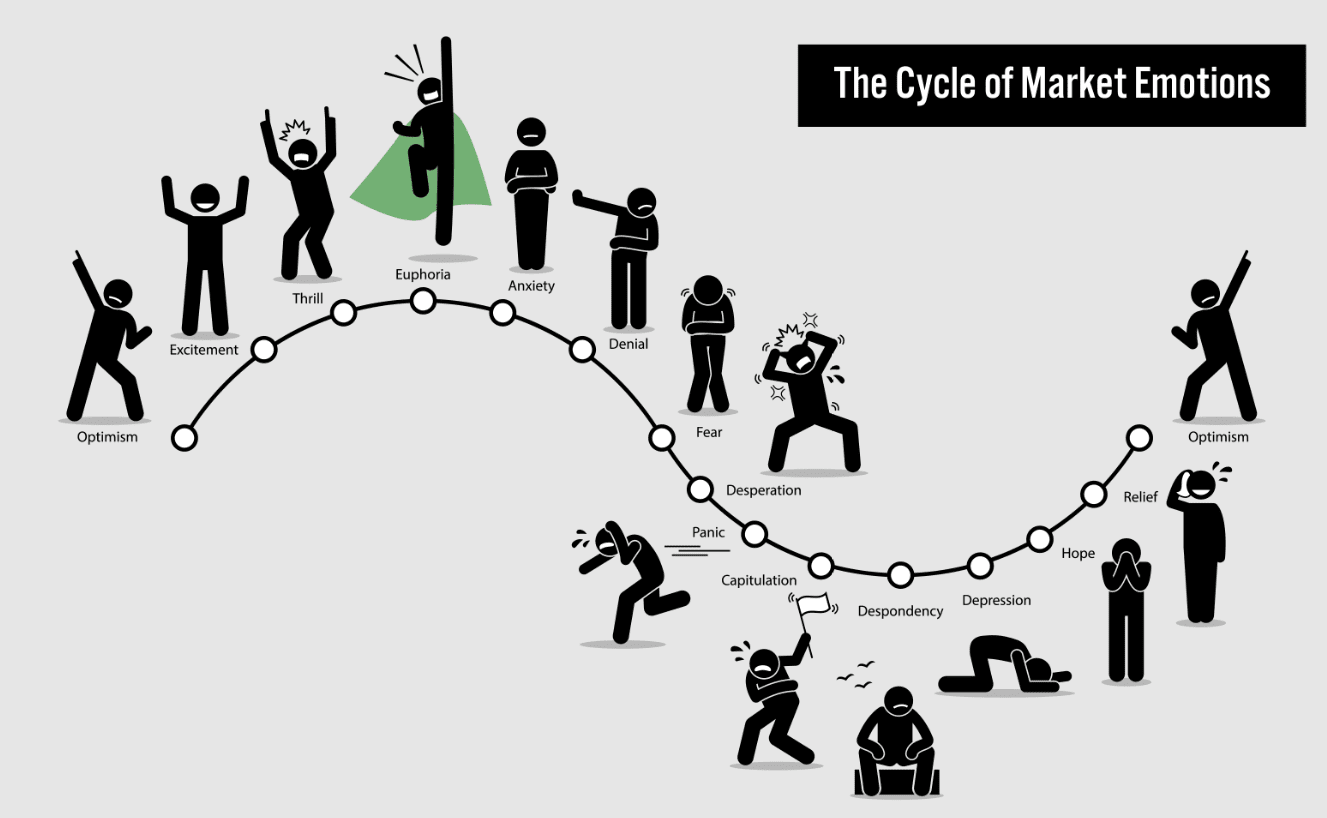
Managing Emotions:- Adjust Stop Loss: Move your Stop Loss to the entry price if the market moves positively. This way, you won’t lose money if the market turns against you.
- Use Stop Loss Wisely: Don’t worry if the market hits your Stop Loss. It’s there to limit your losses, not to make you lose all your money. Always risk a small amount on each trade to protect your investment.
- Market Fluctuations: The market will constantly move up and down. As beginners, it’s common to feel strong emotions based on these movements. For example, you might feel happy when prices go up and sad or angry when they go down. It’s important to learn how to manage these emotions while trading.
- Trading Psychology: All humans are emotional. This means we all experience feelings like happiness, sadness, anger, and envy. When trading, these emotions can be particularly intense because money is involved.
- Money and Emotions: Money plays a very important role in our lives and often triggers strong emotions. Traders enter the forex market to earn money, and because money is closely tied to our emotions, it makes them more emotional. When they see profits, they feel happy and excited. When they see losses, they feel sad and frustrated. This emotional connection to money can make trading a rollercoaster of feelings, which is why it’s important to learn how to manage these emotions while trading.

- Fixed Commitments: Trading with fixed profit expectations leads to failure. The forex market is unpredictable. For example, the EUR/USD market doesn’t move a fixed number of pips every day. Some days it might move 30 pips, and other days it might move 80 pips. Profits can vary daily. Understand this to avoid losing all your money. Trade without expectations and only trade when good opportunities arise.
- Invest Wisely: It’s important to invest only what you can afford to lose. This means you should never use money that you need for essential things like food, rent, or school. Trading can be risky, and there’s always a chance you could lose your investment. We can’t completely avoid emotions because we are not monks who have mastered detachment. Emotions like fear and excitement can influence our decisions. To become a successful trader, you need to change your mindset. Instead of thinking like a regular person, you need to think like a trader. This means learning how the forex market works, understanding the risks, and making informed decisions based on your knowledge and strategy. By educating yourself and practising disciplined trading, you can manage your emotions better and make smarter investment choices.
Solution for Controlling Your Emotions in Forex Trading
- Learn forex trading the right way.
- Have a clear understanding of your trading strategy.
- Invest only what you can afford to lose.
- Avoid trading with fixed goals (e.g., wanting to make 30% profit every month).
- Trade without high expectations.
- Don’t Trade all the time
- Trade only when you find good opportunities in the market.